How to Choose the Right Foundation Shade
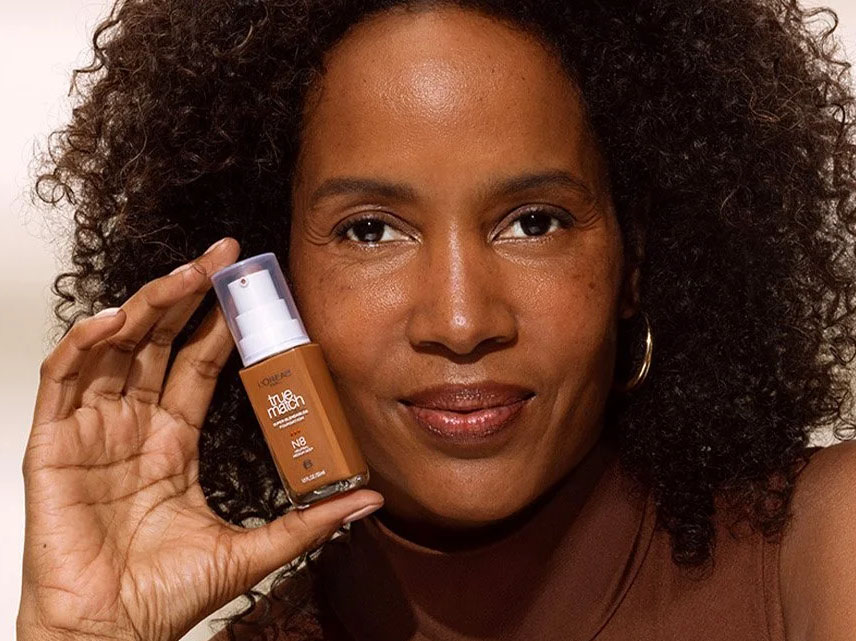
Finding the right foundation shade is the first—and most crucial—step toward achieving flawless, natural-looking makeup. A mismatched foundation can look cakey, too light, too dark, or unnaturally orange or pink.
Recent Blogs
- How Drones and AI Are Changing Emergency Response
- How to Layer Skincare Products the Right Way
- Top 7 Must-Have Gaming Gadgets for an Ultimate 2025 Experience
- K-Beauty vs. Western Skincare: What’s the Difference?
- Easy 5-Minute Makeup Routine for Busy Mornings
- Bathroom Decor Tips to Make It Look Like a Spa
- The Ultimate Travel Guide to Istanbul
August 25 25
Finding the right foundation shade is the first—and most crucial—step toward achieving flawless, natural-looking makeup. A mismatched foundation can look cakey, too light, too dark, or unnaturally orange or pink. But when your foundation perfectly matches your skin, it becomes undetectable, enhances your features, and gives you that radiant, seamless finish.
Whether you're shopping in-store or online, this guide will walk you through the steps to choose the right foundation shade for your unique skin tone and undertone.
1. Know Your Skin Tone
Your skin tone refers to the depth of color of your skin—light, medium, tan, deep, etc. Most makeup brands categorize their foundations into these broad categories. Start by identifying which general skin tone range you fall into:
- Fair: Very light skin that may burn easily; often with pink or neutral undertones.
- Light: Light skin with slightly more warmth.
- Medium: More beige, olive, or golden tones.
- Tan: Deeper golden or olive-toned skin.
- Deep: Rich, darker skin with cool, neutral, or warm undertones.
Knowing your skin tone helps narrow down your foundation range before moving on to the more refined step—matching your undertone.
2. Understand Your Undertone
Your undertone is the subtle hue beneath your skin’s surface and stays the same even if your overall tone changes due to sun exposure or skin conditions. There are three main undertones:
- Warm (yellow, golden, peachy): You tan easily, gold jewelry looks better on you, and your veins appear green.
- Cool (pink, red, or blue): You burn before tanning, silver jewelry complements you more, and your veins appear blue or purple.
- Neutral (a mix of warm and cool): You suit both gold and silver, and your veins look bluish-green.
How to test your undertone:
- Jewelry test: Do you look better in silver or gold?
- Vein test: Check the color of veins on your wrist in natural light.
- White vs. ivory test: Hold both shades up to your face—white flatters cool undertones, ivory suits warm tones.
Once you know your undertone, look for foundations labeled with those indicators—many brands now tag shades with “W” (warm), “C” (cool), or “N” (neutral) to make matching easier.
3. Swatch Correctly
Swatching is essential to test how well a foundation blends with your skin. Here’s how to do it correctly:
- Swatch on your jawline or side of your face, not your hand or wrist, as your face and neck are the most visible and should match.
- Apply 2–3 close shades side-by-side and blend them in slightly.
- Check the shades in natural lighting (step outside or stand near a window) to get a true read of the color.
- The shade that disappears into your skin without a line of demarcation is your match.
Tip: If one shade matches your face but not your neck, opt for a slightly warmer or more neutral shade to balance your overall complexion.
4. Consider Your Skin Type and Finish Preferences
Different foundations offer different finishes—matte, dewy, satin—and your skin type can affect how a foundation appears throughout the day.
- Oily skin: Go for matte or oil-free formulas that control shine.
- Dry skin: Look for hydrating or dewy foundations with moisturizing ingredients.
- Combination skin: Try satin or semi-matte finishes for a balanced look.
- Sensitive skin: Opt for fragrance-free and non-comedogenic formulas.
Make sure you test foundation not just for shade but also for texture and finish that suits your skin type and lifestyle.
5. Test It Throughout the Day
A foundation may look perfect right after application but change after a few hours due to oxidation, skin oil production, or environmental factors.
- Wear the foundation for a full day before making a final decision, especially if buying a high-end formula.
- Observe if it becomes too orange, too light, or patchy as the day progresses.
If possible, request a sample or use a brand’s “try before you buy” program, especially when shopping online.
6. Adjust for Seasonal Changes
Your skin tone can change slightly with the seasons—warmer and darker in summer, lighter in winter. It's perfectly normal to need two foundation shades to mix or switch between throughout the year.
- Summer: You may need a shade with more warmth or depth.
- Winter: You may go one or two shades lighter or use a neutral tone.
Consider having both in your makeup kit or use bronzer strategically to warm up your complexion during seasonal transitions.
7. Use Shade-Matching Tools and Virtual Try-Ons
Online shopping can make foundation matching difficult, but many brands and retailers now offer shade-finding tools, quizzes, or virtual try-on technology.
- Use platforms like Findation.com or Sephora’s Shade Finder to match with previous foundation shades you've used.
- Upload a well-lit, bare-faced photo to try on shades virtually.
- Read user reviews and look for photos of people with similar skin tone and type.
8. Ask for Professional Help
If you’re still unsure, don’t hesitate to visit a beauty counter or makeup artist for expert guidance. They can help swatch multiple shades and finishes, explain undertones, and recommend formulations based on your skin type and concerns.
Final Thoughts
Choosing the right foundation shade is about more than just matching color—it’s about understanding your skin’s tone, undertone, texture, and needs. A well-matched foundation blends seamlessly into your skin, enhances your natural beauty, and becomes the base of a flawless makeup look.
Take your time, test in natural light, and don’t be afraid to mix and match if needed. With these tips in hand, you’ll never second-guess your foundation again.
You Might Also Like

The Future of Foldable Phones: Are They Worth It Yet? (2025 Edition)
The world of smartphones has seen several revolutions over the years, but few have sparked as much excitement as foldable phones. First introduced in 2019, foldable phones promised a new era of smartphone design, combining the portability of a compact phone with the functionality of a tablet-sized display.

How to Make Japanese Green Tea the Right Way (and Why Yours Doesn’t Taste as Good)
You followed the steps.

Bring Sunshine Indoors with Summer Decoration
As the temperature climbs and the days get longer, summer inspires a fresh and vibrant approach to home decoration.

Fall Wardrobe Essentials for Women Over 30 in 2025: Timeless Meets Trendy
As the leaves change and temperatures drop, it's the perfect time to refresh your wardrobe with pieces that blend timeless elegance with contemporary trends.

The Resurgence of the White Suit: Summer's Office Essential
In 2025, the white suit has emerged as a quintessential piece in summer office wear. Once reserved for formal events or fashion-forward statements, the white suit now embodies a blend of professionalism and seasonal freshness, making it a staple in contemporary work wardrobes.

The Ultimate Full-Body Workout You Can Do Anywhere
In a world that moves fast, finding time for a workout—and a gym—isn’t always easy. Whether you’re traveling, stuck at home, or short on time, your fitness goals don’t have to be put on hold.

Upper Body Workouts That Don’t Require Weights
Whether you’re short on equipment, prefer working out at home, or just want to simplify your fitness routine, you don’t need a gym full of weights to get a strong, toned upper body.

Top 7 Best Gaming Gadgets to Elevate Your Play in 2025
Gaming technology is evolving faster than ever, delivering immersive experiences and better performance.

Wearable Tech Trends: Smartwatches, Rings, and Beyond (2025 Edition)
Wearable technology has exploded in popularity over the past few years, and 2025 is no different. From smartwatches that track your health to smart rings that control your devices, wearables are getting smaller, smarter, and more essential to daily life.