How to Layer Skincare Products the Right Way
Skincare is no longer just a trend—it’s a daily ritual for many, and with the increasing number of products on the market, it can be overwhelming to figure out how to use them effectively.
Recent Blogs
- How to Choose the Best Travel Credit Card for Your Adventures in 2025
- Spring 2025 Color Trends: Embracing Pastel Pink and Pistachio Green
- The Best Natural Ingredients for Glowing Skin
- The Best Smartwatches of 2025
- Top 7 Essential Tech Gadgets for Remote Work in 2025
- Budget Decorating Tips for Renters
- Top 7 Best Gaming Gadgets to Elevate Your Play in 2025
August 25 23
Skincare is no longer just a trend—it’s a daily ritual for many, and with the increasing number of products on the market, it can be overwhelming to figure out how to use them effectively. One of the most common skincare mistakes is applying products in the wrong order, which can reduce their effectiveness or even cause irritation. If you’ve invested time and money into building a skincare routine, it’s essential to understand how to layer each product correctly for the best results.
In this comprehensive guide, we’ll walk you through the basics of layering skincare, explain why order matters, and offer expert tips to help you get the most from your skincare regimen.
Why Skincare Layering Matters
Your skin is a complex organ, and it can only absorb so much. Applying products in the correct order ensures that active ingredients penetrate effectively and that heavier formulations don’t block lighter ones. Layering incorrectly can lead to clogged pores, product pilling, or wasted ingredients.
The general rule to remember: apply products from thinnest to thickest consistency. This ensures that water-based products get absorbed first, followed by creams and oils that help lock in moisture.
Step-by-Step Guide to Layering Skincare Products
1. Start with a Clean Canvas
Product Type: Cleanser
Purpose: Remove dirt, oil, and impurities
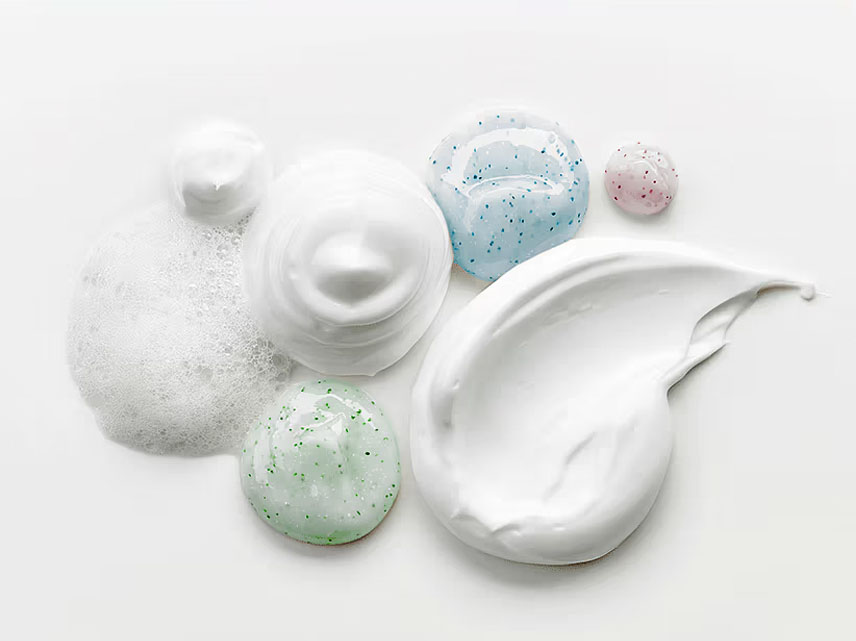
Always start with a gentle cleanser suited to your skin type. Whether you’re double cleansing with an oil-based cleanser followed by a water-based one, or using a single mild foaming or cream cleanser, the goal is to ensure your skin is free of any debris that might block the absorption of subsequent products.
2. Tone and Balance
Product Type: Toner or Essence
Purpose: Hydrate and prep the skin
Toners have evolved from the alcohol-heavy formulas of the past. Today’s toners and essences are typically hydrating and help restore the skin’s natural pH. They also prep the skin to better absorb serums and treatments. Use a cotton pad or pat the product directly into your skin with your hands.
3. Apply Targeted Treatments
Product Type: Serums and Actives (like Vitamin C, Niacinamide, AHAs/BHAs)
Purpose: Treat specific skin concerns
This is where your skincare gets personalized. Serums are typically water-based and contain potent ingredients to target concerns like dark spots, dullness, acne, or fine lines. Apply the lightest serum first and give it a moment to absorb before layering the next one. Be cautious when mixing actives—some ingredients don’t play well together (e.g., avoid layering retinol with AHAs/BHAs or Vitamin C).
Expert Tip: If you're unsure, use actives on alternate days or consult with a dermatologist.
4. Eye Cream Comes Next
Product Type: Eye Cream or Gel
Purpose: Hydrate and treat delicate under-eye area
The skin around your eyes is thinner and more delicate, making it more prone to fine lines and dryness. Gently tap a small amount of eye cream around your orbital bone using your ring finger, which applies the least pressure.
5. Lock in Moisture with a Moisturizer
Product Type: Moisturizer or Cream
Purpose: Hydrate and create a barrier
Moisturizers help lock in all the goodness from your serums and treatments. Choose one based on your skin type—gel-based for oily or acne-prone skin, and cream-based for dry or sensitive skin.
6. Seal Everything with an Oil (Optional)
Product Type: Facial Oil
Purpose: Lock in hydration and add glow
If your skin needs extra nourishment, a few drops of facial oil can be added on top of your moisturizer. Oils don’t hydrate on their own, but they create a protective barrier that prevents water loss. Apply sparingly and only at night if you have oily or acne-prone skin.
7. Finish with Sunscreen (Morning Only)
Product Type: Broad-Spectrum SPF
Purpose: Protect against UV damage
During your morning routine, always end with sunscreen. This is non-negotiable. SPF protects your skin from harmful UV rays, which can cause premature aging, hyperpigmentation, and skin cancer. Opt for a minimum of SPF 30 and reapply throughout the day if you’re spending time outdoors.
Skincare Layering Routine Example
Morning:
- Cleanser
- Toner or essence
- Antioxidant serum (e.g., Vitamin C)
- Eye cream
- Moisturizer
- Sunscreen
Evening:
- Cleanser
- Toner or essence
- Treatment serum (e.g., retinol or niacinamide)
- Eye cream
- Moisturizer
- Facial oil (optional)
Common Mistakes to Avoid
- Overloading with too many products: More isn’t always better. Stick to what your skin needs.
- Mixing incompatible ingredients: Not all actives work well together. Do your research before combining ingredients like retinol, AHAs, and Vitamin C.
- Skipping sunscreen: No matter how advanced your routine is, it won’t matter without sun protection.
- Not giving products time to absorb: Allow each layer to sink in for a minute or two before applying the next to avoid pilling.
Tailoring Your Routine to Your Skin Type
- Oily Skin: Choose gel-based products, avoid heavy oils, and look for non-comedogenic formulas.
- Dry Skin: Layer hydrating serums and rich creams. Hyaluronic acid, ceramides, and squalane are your best friends.
- Sensitive Skin: Stick with fragrance-free, gentle products. Introduce new actives slowly and patch test when necessary.
- Combination Skin: Balance is key. Use targeted treatments on oily zones (like the T-zone) and hydrating products on drier areas.
Final Thoughts
Layering skincare products the right way is both an art and a science. Once you understand the logic behind the order—from the thinnest to thickest consistency—you’ll be able to customize your routine to address your unique skin concerns effectively. Consistency is key, but so is listening to your skin. Start simple, build gradually, and adjust as your skin changes with the seasons or your environment.
A well-layered skincare routine not only enhances product performance but also helps you achieve the radiant, healthy glow you’re aiming for.
You Might Also Like

Top 10 Must-Visit Destinations for 2025
As the world reopens with renewed wanderlust, 2025 presents the perfect opportunity to explore new corners of the globe.

The Tradwife Aesthetic in 2025: Embracing Vintage Femininity in Modern Fashion
In 2025, fashion continues to evolve, drawing inspiration from various eras and cultural movements. One notable trend making waves is the resurgence of the "tradwife" aesthetic—a style that harks back to the 1950s, emphasizing traditional femininity, domesticity, and vintage charm.

How Drones and AI Are Changing Emergency Response
When disaster strikes, you don't have time to wait for answers. In floods, wildfires, or war zones, seconds matter.

How to Stay Motivated When Fitness Progress Slows
There’s nothing quite like the rush of seeing early gains in your fitness journey—whether it’s losing the first few pounds, running your fastest mile, or finally mastering a tricky lift.

Barcelona Bridal Fashion Week 2025: Top 7 Bridal Trends to Inspire Your Wedding Look
Barcelona Bridal Fashion Week (BBFW) 2025 showcased a dazzling array of bridal designs, setting the tone for upcoming wedding seasons. With over 450 brands from 85 countries, the event celebrated global creativity and innovation in bridal fashion.

Backless Fashion Statements: From Runway to Streetwear in 2025
In 2025, the fashion world is witnessing a bold shift towards backless designs, transcending traditional notions of elegance and embracing a more daring, sensual aesthetic.

Embracing Darkly Chic: Fashion Inspiration from Lady Gaga's Mayhem Ball Tour 2025
Lady Gaga's Mayhem Ball Tour 2025 has captivated audiences worldwide, not only with its electrifying performances but also with its distinctive darkly chic fashion aesthetic.
10 Skincare Habits Dermatologists Swear By for Glowing Skin
Science-Backed Daily Routines Anyone Can Follow.Everyone wants glowing, healthy skin — the kind that looks radiant, feels smooth, and reflects your overall wellness.

A Journey in Every Cup: Discover the World of Authentic Japanese Tea
In a fast-paced world where coffee fuels mornings and energy drinks dominate shelves, there’s a timeless beverage that quietly continues to win hearts across the globe: Japanese green tea.