How to Make Japanese Green Tea the Right Way (and Why Yours Doesn’t Taste as Good)
You followed the steps.
Recent Blogs
- The Resurgence of the White Suit: Summer's Office Essential
- Upper Body Workouts That Don’t Require Weights
- Wearable Tech Trends: Smartwatches, Rings, and Beyond (2025 Edition)
- Beginner’s Guide to Flawless Everyday Makeup
- How to Layer Skincare Products the Right Way
- Why Ignoring Your Dark Spots Might Be the Best Skincare Decision You Ever Make
- Barcelona Bridal Fashion Week 2025: Top 7 Bridal Trends to Inspire Your Wedding Look
May 26 04
You followed the steps. You used good-looking tea leaves. Maybe you even tried different brands.
Yet somehow, your tea turns out too bitter, too weak, or just off.
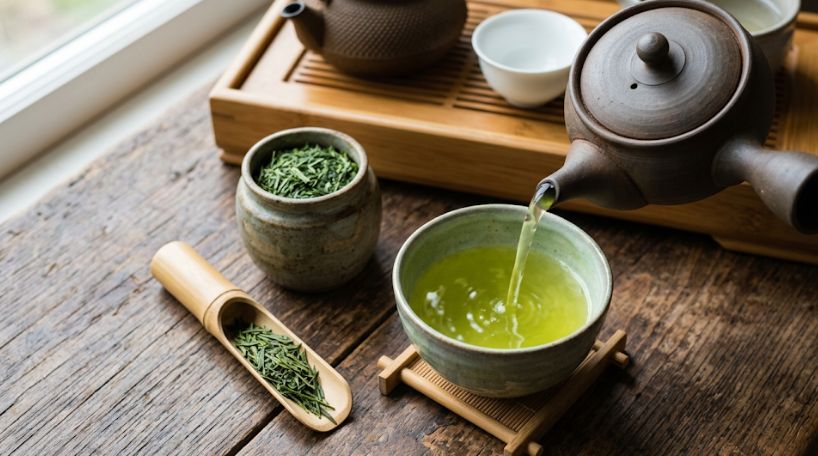
If you’ve been trying to figure out how to make Japanese green tea using tea leaves and can’t seem to get it right, you’re not alone. The truth is, Japanese green tea is delicate, and small mistakes can completely change the flavor.
The good news? Once you understand a few key principles, everything changes.
Common Mistakes People Make with Japanese Green Tea
Let’s start with what usually goes wrong.
1. Water That’s Too Hot
Boiling water burns the leaves, resulting in bitterness.
2. Wrong Steeping Time
Too long, and the tea becomes harsh. Too short, and it tastes weak.
3. Low-Quality Tea
Not all tea is created equal. Many supermarket options lack freshness and depth.
4. Using the Wrong Amount of Leaves
Too many or too few leaves can throw off the entire balance.
5. Ignoring Tea Type Differences
Different teas like sencha, genmaicha, or matcha require different preparation methods.
Why Japanese Green Tea Is So Easy to Get Wrong
Japanese green tea is different from other teas in one key way: it’s highly sensitive.
Unlike black tea, which can handle boiling water, Japanese green tea requires:
- Lower temperatures
- Precise timing
- High-quality leaves
This sensitivity is exactly what makes it so flavorful and also why it’s easy to mess up.
If you’ve been switching between loose leaves and Japanese green tea bags, you may have noticed a big difference in taste. That’s because quality and processing methods vary significantly.
How to Make Japanese Green Tea Using Tea Leaves (Step-by-Step)
If you want to finally get it right, follow this simple method:
1. Use Fresh, High-Quality Leaves
Start with about 1 teaspoon of tea leaves per cup (around 200 ml of water).
2. Heat Water to the Right Temperature
Let boiling water cool down for 1–2 minutes. Ideal temperature is around 70–80°C (158–176°F).
3. Pour and Steep Carefully
Pour water over the leaves and steep for 60–90 seconds.
4. Pour Completely
Make sure to pour out every drop to prevent over-steeping.
5. Re-Steep for More Flavor
Good tea leaves can be reused 2–3 times, often with slightly shorter steeping times.
This simple process makes a huge difference when learning how to make Japanese green tea using tea leaves properly.
Loose Leaf vs Tea Bags: What Should You Choose?
Both options have their place, but they serve different needs.
- Loose Leaf Tea
- Better flavor and aroma
- More control over strength
- Ideal for traditional preparation
- Japanese Green Tea Bags
- Convenient and quick
- Great for busy routines
- More consistent results (but often less complex flavor)
If you’re just starting out, Japanese green tea bags can be a practical option. But for the best experience, loose-leaf tea is hard to beat.
What Makes the Best Japanese Green Tea?
Not all green tea delivers the same experience.
The best Japanese green tea typically offers:
- A fresh, grassy aroma
- Smooth, slightly sweet taste
- Minimal bitterness
- Vibrant green color
Factors that influence quality include:
- Growing region
- Harvest timing
- Processing methods
This is why sourcing matters more than most people realize.
A Smarter Way to Upgrade Your Tea Experience
If you’ve been struggling with inconsistent results, the issue may not be your technique it might be your tea.
That’s where trusted sources like Japanese Green Tea Co come in.
Instead of generic blends, Japanese Green Tea Co focuses on authentic, high-quality teas sourced directly from Japan. This ensures better flavor, freshness, and consistency, making it much easier to get great results at home.
Whether you’re experimenting with loose leaves or exploring Japanese green tea bags, starting with better tea can instantly improve your experience.
Why Quality Tea Makes All the Difference?
Upgrading your tea isn’t just about taste, it transforms the entire ritual.
1. Better Flavor with Less Effort
High-quality tea is more forgiving, even if your technique isn’t perfect.
2. More Enjoyable Routine
Drinking tea becomes something you look forward to, not just a habit.
3. Consistent Results
With reliable sources like Japanese Green Tea Co, you know what to expect every time.
4. Health Benefits
Better tea retains more antioxidants and nutrients.
5. True Cultural Experience
Authentic tea connects you to the tradition behind it.
Simple Tips to Elevate Your Daily Tea Routine
You don’t need to overcomplicate things. Start with these small upgrades:
- Use filtered water for a cleaner taste
- Invest in a simple teapot or infuser
- Experiment with steeping times
- Try both loose-leaf and Japanese green tea bags
- Source from trusted providers like Japanese Green Tea Co
Even small changes can make a big difference.
Final Thoughts: It’s Not Just Tea, It’s an Experience
Learning how to make Japanese green tea using tea leaves isn’t about perfection; it’s about understanding the basics and enjoying the process.
When you combine the right technique with high-quality tea, everything changes. The flavor improves, the bitterness disappears, and your daily cup becomes something you truly enjoy.
If you’re ready to take that next step, exploring premium options from Japanese Green Tea Co can help you experience what authentic tea is supposed to taste like.
Because sometimes, the difference between “good” and “great” is just a few small details.
You Might Also Like

Makeup Bag Essentials for Every Woman
Whether you're heading to the office, out for a weekend brunch, or packing for a getaway, having a well-stocked makeup bag ensures you’re always ready to look and feel your best.

Fall Wardrobe Essentials for Women Over 30 in 2025: Timeless Meets Trendy
As the leaves change and temperatures drop, it's the perfect time to refresh your wardrobe with pieces that blend timeless elegance with contemporary trends.

The Resurgence of the White Suit: Summer's Office Essential
In 2025, the white suit has emerged as a quintessential piece in summer office wear. Once reserved for formal events or fashion-forward statements, the white suit now embodies a blend of professionalism and seasonal freshness, making it a staple in contemporary work wardrobes.

Best Kitchen Decor Trends for 2025
The kitchen has always been the heart of the home, but in 2025, it's taking center stage in design innovation. This year, kitchens are not just about cooking—they're about creating a space that reflects your personality, supports your lifestyle, and embraces the latest in design and technology.
Top 7 Essential Tech Gadgets for Remote Work Success in 2025
Remote work has become the new normal, and having the right tech gadgets is crucial for productivity and comfort.

How Drones and AI Are Changing Emergency Response
When disaster strikes, you don't have time to wait for answers. In floods, wildfires, or war zones, seconds matter.

10 Interior Design Secrets Every Homeowner Should Know
Creating a beautiful, functional home is both an art and a science. While personal taste plays a big role, there are some interior design principles that can elevate any space.
Top 10 Must-Have Travel Gadgets for Every Adventurer in 2025
Travel in 2025 is all about smart choices, convenience, and security. Whether you're a seasoned globetrotter or an occasional traveler, the right travel gadgets can make your trip smoother, safer, and more enjoyable.

Wearable Tech Trends: Smartwatches, Rings, and Beyond (2025 Edition)
Wearable technology has exploded in popularity over the past few years, and 2025 is no different. From smartwatches that track your health to smart rings that control your devices, wearables are getting smaller, smarter, and more essential to daily life.