Beginner's Guide to Strength Training
Strength training is one of the most effective ways to build muscle, increase endurance, and boost your overall health.
Recent Blogs
- How Drones and AI Are Changing Emergency Response
- Where Should You Travel Next for the Ultimate Adventure
- The Future of Foldable Phones: Are They Worth It Yet? (2025 Edition)
- Modern Interior Design Ideas to Transform Your Space
- How to Layer Skincare Products the Right Way
- Top 10 Travel Apps That Every Digital Nomad Needs in 2025
- Upper Body Workouts That Don’t Require Weights
September 25 11
Strength training is one of the most effective ways to build muscle, increase endurance, and boost your overall health. But if you're a beginner, walking into a weight room can feel like stepping into another world — unfamiliar equipment, intimidating routines, and people who look like they’ve been lifting for decades.
This guide is here to cut through the noise and help you get started with confidence. Whether your goal is to gain muscle, lose fat, or simply feel stronger and more capable in your everyday life, strength training can help you get there.
Why Strength Training Matters
Strength training goes beyond bulking up. Here are some compelling reasons to include it in your routine:
- Improved Muscle Mass: More muscle means a higher resting metabolism, helping you burn more calories even at rest.
- Bone Health: Lifting weights helps maintain bone density, reducing the risk of osteoporosis.
- Better Joint Function: Strengthening muscles around your joints improves stability and reduces the risk of injury.
- Enhanced Mental Health: Exercise releases endorphins, reducing stress and improving mood.
- Functional Strength: Everyday tasks like carrying groceries or climbing stairs become easier with a stronger body.
Myths About Strength Training
Let’s clear up a few common misconceptions:
- “Lifting weights makes you bulky.”
False. Building significant muscle mass takes years of training and specific diet protocols. Beginners will see lean muscle growth, not massive size. - “Strength training is only for the young.”
Incorrect. People of all ages can benefit from strength training. In fact, it becomes more important as we age. - “Cardio is better for weight loss.”
Not always. Strength training helps build lean muscle, which increases your metabolic rate, making it easier to lose weight and keep it off.
Getting Started: The Basics
1. Understand Your Goals
Before you lift a single dumbbell, know what you're aiming for. Common beginner goals include:
- Building general strength
- Toning muscles
- Enhancing athletic performance
- Supporting weight loss
Your goals will shape your training program.
2. Learn the Fundamental Movements
Begin with compound exercises — movements that target multiple muscle groups at once. These form the core of any effective strength training routine:
- Squats: Targets legs, glutes, and core.
- Deadlifts: Strengthens your back, glutes, and hamstrings.
- Push-ups/Bench Press: Works chest, shoulders, and triceps.
- Rows: Strengthens the back and biceps.
- Overhead Press: Targets shoulders and upper back.
Focus on proper form over lifting heavy weights. Bad technique can lead to injuries.
3. Choose the Right Equipment
You don’t need a full gym to start. Some beginner-friendly options include:
- Bodyweight: Great for learning control and balance (push-ups, planks, squats).
- Resistance Bands: Low-impact, portable, and perfect for home workouts.
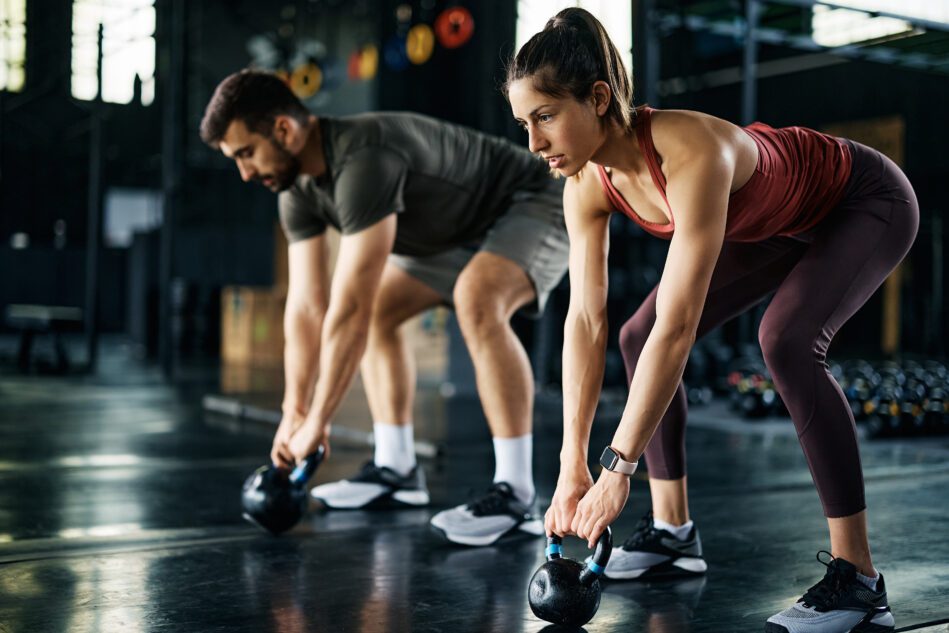
- Free Weights: Dumbbells and kettlebells offer versatility and range of motion.
- Machines: Good for isolating specific muscles, though less functional than free weights.
Sample Beginner Routine (3 Days/Week)
Here’s a simple full-body routine to get you started:
Day 1: Full Body A
- Squats – 3 sets of 10 reps
- Push-ups – 3 sets of 8-12 reps (or modified push-ups)
- Bent-over Rows – 3 sets of 10 reps
- Plank – 3 sets, hold for 30 seconds
Day 2: Rest or Active Recovery
Go for a walk, do yoga, or stretch.
Day 3: Full Body B
- Lunges – 3 sets of 8 reps each leg
- Dumbbell Bench Press – 3 sets of 10 reps
- Lat Pulldowns or Assisted Pull-ups – 3 sets of 10 reps
- Bicycle Crunches – 3 sets of 20 reps
Day 4: Rest
Day 5: Full Body A (Repeat)
Day 6 & 7: Rest or Light Cardio
Warm-Up and Cool-Down Matter
Before any workout, spend 5–10 minutes warming up. Light cardio (like jumping jacks or brisk walking) followed by dynamic stretches (like leg swings and arm circles) gets your body ready to train.
After your session, cool down with static stretching to aid recovery and reduce muscle soreness.
Nutrition for Strength Training
You can’t out-train a poor diet. Fuel your workouts with:
- Protein: Supports muscle repair and growth (chicken, tofu, eggs, Greek yogurt).
- Carbohydrates: Your body’s main energy source (whole grains, fruits, sweet potatoes).
- Healthy Fats: Crucial for hormone health (avocados, nuts, olive oil).
- Hydration: Drink plenty of water, especially around workout times.
Tips for Long-Term Success
- Start Light: Focus on form and consistency, not lifting the heaviest weights.
- Track Progress: Keep a workout log to monitor your sets, reps, and improvements.
- Rest and Recover: Muscles grow when you rest. Don’t train the same muscle group every day.
- Stay Consistent: Three workouts per week can lead to noticeable changes in just a few months.
- Ask for Help: Don’t hesitate to ask a trainer or watch instructional videos to learn proper form.
When to Progress
Once the exercises start feeling too easy, it's time to level up. You can:
- Increase the weight
- Add more reps or sets
- Shorten rest time
- Switch to more challenging variations
The key is progressive overload — gradually increasing the challenge to stimulate muscle growth.
Final Thoughts
Starting a strength training journey can feel intimidating, but the hardest part is simply beginning. With the right knowledge and a consistent plan, you’ll be amazed at how quickly your body and confidence transform.
Stick with it. Strength training is not just a workout — it’s a long-term investment in your health, performance, and well-being.
You Might Also Like

10 Timeless Home Decor Trends That Never Go Out of Style.
Timeless home décor relies on elements that balance function, beauty, and longevity. From neutral color palettes and hardwood floors to minimalist layouts and vintage accents, these trends offer versatility and enduring appeal.

10-Minute Workouts That Actually Burn Calories
In today’s fast-paced world, carving out an hour for the gym isn’t always realistic. But here’s the good news: you don’t need 60 minutes of intense exercise to make a difference.

How to Burn Fat Without Losing Muscle
Losing fat while keeping your hard-earned muscle is a balancing act that requires careful planning.

10 Skincare Habits Dermatologists Swear By for Glowing Skin
Science-Backed Daily Routines Anyone Can Follow.Everyone wants glowing, healthy skin — the kind that looks radiant, feels smooth, and reflects your overall wellness.

Bedroom Decor Ideas for a More Restful Night’s Sleep
Your bedroom should be your personal retreat—an oasis where you can unwind, recharge, and escape from daily stress. Yet many bedrooms are cluttered, overly bright, or not designed with rest in mind.

How to Choose the Best Travel Credit Card for Your Adventures in 2025
Travel credit cards are more than just payment tools—they're powerful companions that can unlock free flights, exclusive perks, and extra protection for your global journeys.

Clean Beauty: Non-Toxic Brands to Try in 2025
The clean beauty movement is no longer a niche trend—it’s a growing standard in skincare and cosmetics. In 2025, consumers are more educated and intentional than ever, seeking products that are safe for the skin, transparent in formulation, and mindful of their environmental impact.
7 Genius Beauty Hacks for Wrinkle-Free Skin You’ll Wish You Knew Sooner
What if the secret to youthful, glowing, wrinkle-free skin wasn’t hidden in pricey serums or trendy skincare products, but in simple, smart habits you can start today?

Your Ultimate Guide to Travel Clothing Essentials for Every Climate
Traveling is one of life’s greatest pleasures, but let’s be honest—it comes with its own set of challenges.