What Happens When Your Gadgets Start Predicting You?
Our gadgets used to just follow commands. You pressed a button; they responded. But that’s changing fast.

Recent Blogs
- Your Phone Is Boring—But These Accessories Aren’t
- How to Build a Capsule Wardrobe from Scratch?
- 7 Genius Beauty Hacks for Wrinkle-Free Skin You’ll Wish You Knew Sooner
- Functional Style Hacks Every Mother Should Know
- Digital Parenting That Respects Real Childhood
- Budget Decorating Tips for Renters
- Transitional Outfits from Summer to Fall 2025: Your Ultimate Style Guide
May 25 15
Our gadgets used to just follow commands. You pressed a button; they responded. But that’s changing fast. From your smartphone suggesting your next text to your smartwatch nudging you to move before you even feel restless, your tech is no longer reactive. It’s predictive.
But what happens when your gadgets start predicting you? Is it convenience or control? Is it efficiency or manipulation? And most importantly, how much of yourself are you giving away in the process?
This is not science fiction. It’s already happening. And it’s changing how we live, think, and make decisions, sometimes without us realizing it.
From Smart to Intuitive: The Rise of Predictive Tech
Predictive technology is built on patterns. Your devices track your behavior, what you search, when you wake up, how long you sit, where you go, what you like, and then use algorithms to make educated guesses about what you’ll do next.
Examples are everywhere. Your calendar app reminds you to leave early for a meeting because it knows traffic will be bad. Your phone queues up the playlist you usually listen to when you’re walking. Your email draft replies for you. And your voice assistant finishes your sentence before you do.
These little nudges feel helpful. But they also reveal something bigger: your gadgets are not just tools anymore. They’re starting to think ahead for you.
The Convenience We Crave
Let’s be honest, predictive tech can feel magical. When your phone suggests the perfect photo filter or your car auto-adjusts the seat just right, it’s hard not to appreciate the ease it adds to daily life.
These systems can also improve health and safety. Wearables that predict heart issues before they happen, smart home devices that notice patterns and prevent energy waste, and AI assistants that recognize changes in behavior all contribute to a smoother, smarter experience.
And for people with disabilities or chronic conditions, predictive gadgets can be life-changing, offering autonomy and accessibility that once seemed impossible.
So yes, prediction can be incredibly empowering. But only when it’s truly working for you.
When Convenience Becomes Control
The moment predictive tech starts shaping your decisions instead of just supporting them, a subtle power shift happens.
Let’s say your phone knows you usually order food on Friday nights and starts showing you pizza ads every Friday afternoon. You weren’t planning to order out, but now you’re tempted. Multiply that effect across music, shopping, habits, and even opinions, and you start to see the issue.
When devices don’t just observe behavior but influence it, they become more than helpful tools. They become behavioral drivers.
And most of this happens invisibly. Algorithms aren’t asking your permission; they’re making assumptions. If those assumptions are wrong or biased or manipulated by outside interests, you could find yourself living a version of your life that isn’t entirely your own.
The Privacy Price Tag
Every prediction your gadget makes is based on your data. Every movement, message, click, scroll, and pause becomes part of your digital profile.
Most of us trade this information for convenience without reading the fine print. But as devices get more sophisticated, the amount and depth of personal data collected also increases—sometimes in real time, sometimes without us realizing it.
Think about it: your smart TV knows what you watch and when. Your fitness tracker knows your heart rate, sleep habits, and location. Your phone knows everything. And as theyintegrate, these gadgets form a web of intimate insight, far beyond what any single device used to know.
The question isn’t just what they know. It’s who else has access to it, and what they’re doing with it.
Are We Losing Our Ability to Choose?
One of the subtler consequences of predictive gadgets is the erosion of free choice. If your device constantly predicts what you want next, music, food, replies, news, then when do you actually make a decision?
Over time, predictions can narrow your options. Algorithms tend to favor the familiar: more of what you’ve already liked, clicked, or consumed. This feedback loop, often called the “filter bubble,” means your world starts shrinking without you even noticing.
You’re shown the same types of articles, songs, people, products—not because they’re the best, but because they’re predictable. And predictable is profitable.
The danger here isn’t just boredom, it’s intellectual stagnation. It’s the loss of surprise, of challenge, of friction. In trying to make life smoother, predictive tech can quietly flatten it.
Can Gadgets Predict Too Much?
There’s a fine line between helpful and creepy. If your gadget predicts your mood before you’ve even processed it yourself, that’s impressive but also unsettling.
Some smart devices are already being designed to read emotional cues through voice, facial expression, and even biometric data. Imagine a smartwatch that detects anxiety and suggests a breathing exercise. Great, right? Now imagine it sharing that data with your insurance provider. Less great.
The more intimate the prediction becomes, the higher the ethical stakes. Predicting what you do is one thing. Predicting what you feel and potentially acting on it is something else entirely.
Where Is All This Headed?
As AI becomes more embedded in our daily lives, gadgets will continue to evolve from responsive tools to proactive companions. Your devices may soon:
Adjust the lighting based on your mood
Suggest travel plans before you think of them
Warn you before burnout hits
Anticipate arguments and mediate conversations
These scenarios sound futuristic, but not far off. The technology is already in motion. The question now is how we’ll choose to shape it and whether we’ll maintain control over the predictions being made about us.
Balancing Prediction with Autonomy
So what can you do to benefit from predictive tech without becoming overly reliant—or manipulated?
Be Aware of Patterns
Notice when your device is making choices for you. Are you still making the final decision, or are you just going along with the suggestion?
Adjust Your Settings
Most devices let you customize data sharing and recommendation algorithms. Dive into your settings and take back some control.
Mix Up Your Habits
Try breaking your digital routine. Choose a different playlist, walk a new route, explore new content. Force the algorithm to adapt to you.
Ask Questions
Before you let a gadget “help,” ask: Who benefits from this prediction? Is it helping you, or driving behavior for profit?
Support Transparent Tech
Push for companies that prioritize privacy, ethical AI, and user control. Your data should serve you, not the other way around.
Prediction or Permission?
Predictive gadgets are part of an incredible shift in how we live and interact with technology. They can save time, protect health, and enhance daily life. But they can also quietly steer our decisions, shape our identity, and mine our behavior for value.
The next time your phone finishes your sentence or your smartwatch buzzes at just the right moment, pause and ask yourself: Did I ask for this? Or did it ask for me?
Because when your gadgets start predicting you, the biggest decision isn’t what to click next—it’s whether you’re still in charge of the click at all.
You Might Also Like

Strength Training vs. Bodybuilding: What’s the Difference?
Strength training and bodybuilding may seem similar at a glance—they both involve lifting weights and building muscle—but their goals, training methods, and results differ significantly.
Top 7 Latest Wearable Tech Gadgets to Watch in 2025
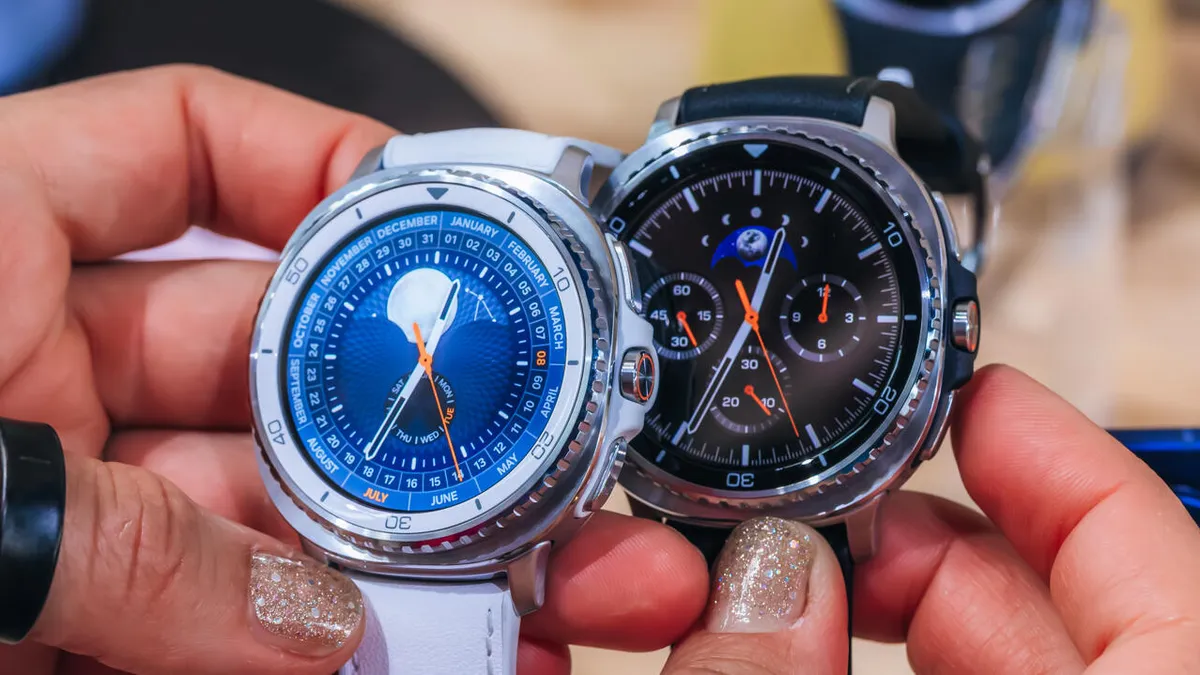
Wearable technology continues to advance rapidly, blending health monitoring, communication, and convenience in compact devices you can wear daily.

Small Living Room Ideas That Maximize Space and Style
Living in a small space doesn’t mean you have to compromise on comfort or style. In fact, smaller living rooms can often feel cozier, more intentional, and easier to manage when designed right.

10 Timeless Home Decor Trends That Never Go Out of Style
Trends come and go, but some design elements stand the test of time. Whether you're redecorating your entire home or just looking to update a few rooms, incorporating timeless decor styles ensures your space always feels refined, elegant, and relevant.

Top 10 Underrated Travel Destinations to Visit in 2025
Tired of overcrowded cities and mainstream tourist spots? 2025 is the perfect year to explore hidden gems around the world that offer authentic experiences without the hefty price tags or crowds.

How Mental Fitness Enhances Physical Performance?
You train your body to perform, but what about your mind? Physical strength might fuel your performance, but mental sharpness sustains it.

Top 10 Must-Visit Destinations for 2025
As the world reopens with renewed wanderlust, 2025 presents the perfect opportunity to explore new corners of the globe.

How to Build an Effective Weekly Workout Routine
Whether you're a fitness enthusiast or just getting started on your journey, building an effective weekly workout routine is essential for long-term results.

The Best Drugstore Makeup That Works Like Luxury
Looking flawless doesn’t have to come with a luxury price tag. Today’s drugstore makeup brands offer high-performance products that compete with the quality, finish, and staying power of high-end cosmetics—often for a fraction of the cost.